This Is The Ultimate Guide To Repair Upvc Door Frame
How to Repair UPVC Door Frames and Architraves 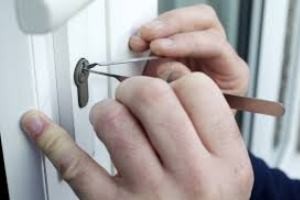 UPVC door repair is easy and can extend the life of your doors. The most frequent repairs are for loose handles and doors that squeak. Regular maintenance is also an effective method to avoid damage to your uPVC doors. There are upvc doors repair to consider when replacing a UPVC frameless door. To ensure that your new door is properly installed it is a great idea to seek advice from a professional. Take off the door from the old one. If you're looking to install doors for your home or to repair an existing one, uPVC architraves and door frames can help you get the desired outcomes. The process is fairly straightforward and requires just some basic tools and materials. It is also necessary to examine your doors and frames to ensure that they are in a straight line and level. You will need to add additional shims if not. You will need to remove your old door from its frame. Depending on the kind of door you own, this can be simple or difficult. You may need help if the door is heavy and heavy. Once the old door has been removed, you can start cleaning and making the frame ready for installation. You'll need to take any debris from the rough opening and ensure there aren't any loose nails or screws. You should also inspect the frame and sill for any damages or rust. Once the frame is clean, you can start to remove the architrave as well as any nails that are still stuck to it. You can also remove the sill at the bottom of frame last in case there is one. Install the new frame after removing the architrave. Make use of a spirit-level and packing tools to ensure that the door jambs have an even surface. To get the perfect fit, add or remove packers. You can also use a drill to secure the frame's screws to the wall. After you have installed the new frame, you can apply sealant on the back to make an airtight and watertight seal. This will shield your door from water and keep it looking new for a long time. You can add decorative elements, such as house number or door knockers to your uPVC doors to give them a an individual look. uPVC is also energy efficient and prevents heat or cold transfer from one area to another. This reduces heating or cooling costs and is better for the environment. Cleaning the frame UPVC frames require very little maintenance, but do need to be cleaned periodically to keep them in pristine condition. You can easily clean them with water and soap or vinegar and water for stubborn stains. This method will keep your door looking good and durable for years. Open windows frequently to let fresh air circulate and to prevent the accumulation of moisture will aid in. You can find uPVC cleaners in hardware stores. This will help prevent the damage caused by harsh solvents, which can cause discoloration or weaken the material. Use the soft chamois or cloth instead of a hard one to avoid scratching. Always wipe down the frame or sash whenever it's cloudy and cool to prevent streaks. This occurs when the cleaning solution dries in the sun too fast. It is not advised to paint over dirty uPVC frames or doors because this can cause irreparable damages and leaks. You can prevent this from happening by cleaning your uPVC windows and doors regularly and making sure they are well ventilated. You should inspect the frames for signs of wear and tear in addition to cleaning them regularly. This may include scratches, cracks, or dents on the frames. It is important to fix any issues you find immediately to prevent further damage. It is also recommended to lubricate the hinges and locking points of the frames, which will help them to work smoothly. As opposed to traditional wooden doors, uPVC isn't rot-proof and won't be damaged by prolonged exposure to the weather. It's a great choice for homeowners who want a safe and secure home. Moreover, uPVC doors are easy to install and can be fitted in place of wooden or metal ones. UPVC doors also improve security from fire by providing an effective barrier against fire. They are also cheaper than composite doors. How to apply the sealant A quality sealant is vital for door frames made of upvc and makes them weatherproof, pest-proof and energy efficient. It can also prevent drafts and reduce the noise level in your office or home. But, the sealant should be applied correctly and frequently to ensure it functions properly. Making sure that the sealant you choose is compatible with your doors and frame is also important. When a sealant is used it creates an airtight and watertight seal around the door frame. This will keep your door safe from moisture, dust, and pests, and will enhance the overall appearance of your home. Sealant is recommended to be applied to the gap between the frame of your door and the wall, as well in the area around the sill. Before applying a sealant, you should clean the area with methylated spirits and a clean cloth. This will remove any residue left by the previous sealant and then allow it to adhere. Apply a generous layer the new sealant. Apply the sealant with a relaxed, confident grip. Start by putting the sealant on the corner of one side of the frame, and move around the entire frame. Fill any gaps you might have with additional sealant. Contrary to natural materials which can change shape or become rot-prone with regular exposure to humidity, uPVC is a hardwearing material that isn't affected by changes in temperature. This is a huge benefit for homeowners, since uPVC doors and windows will last for a long time without the need to sand down or repaint. uPVC also has the benefit of being simple to maintain. It isn't necessary to fret about sanding or varnishing your uPVC every year. In addition, uPVC is resistant to corrosion and can stand up to harsh elements like high temperatures and sea air. uPVC is also energy efficient, meaning that you will save money on cooling and heating costs by keeping cold air in and the hot air out. This can also cut the carbon footprint of your home, which is good for the environment. Furthermore, uPVC is also a sound-proofing material, and can be an excellent choice for those who wish to block out street noise or other external sounds while they are relaxing in their offices or homes. Installing the new door uPVC doors are a popular choice for main entrances due to their durability, security and style. They are also extremely energy efficient, which allows homeowners reduce their energy costs and maintain the temperature of their indoors. It is nevertheless important to inspect them on a regular basis to ensure there aren't any cracks or other damages. A uPVC repair specialist can resolve these problems quickly. The cost to repair uPVC is dependent on the extent of damage and the extent to which additional materials are required. Minor repairs, such as filling cracks, can be made with a cost of PS50-100 and the cost of labour. However more extensive work such as fixing hinges or replacing seals require specialized tools. Therefore, it is recommended to seek advice from a professional prior to making any repairs to your uPVC doors. To begin the repair of your uPVC doors, you will first have to remove the hardware from the frame. This includes the hinges, locks and handles. It is also necessary to take out any screws holding the frame to the wall of your house. It's a good idea put all screws and other hardware in a container to avoid losing them. After all of the old hardware is gone After that, you are able installing your new door. Ensure that the handle is properly aligned with the frame. If not you can tighten the screw using a Phillips-head driver. Be careful not to tighten too much the screw, as this can damage the handle. It is crucial to select a top-quality, weatherproof sealant adhesive for this step. This will create a watertight seal between your frame and the door and will keep pests, moisture and other debris out of your home. Additionally, it will also prevent mould and condensation from forming. It's recommended to wash the frame with PVC cleaner prior to installing the new door. This will remove any dust or debris that might have settled on the surface which makes it easier to apply the sealant. Apply a continuous sealant bead around the edges of the door's frame when it is in contact with the wall to create a secure, attractive finish.